Symposium Coverage & Moments
Opening & Infrastructure
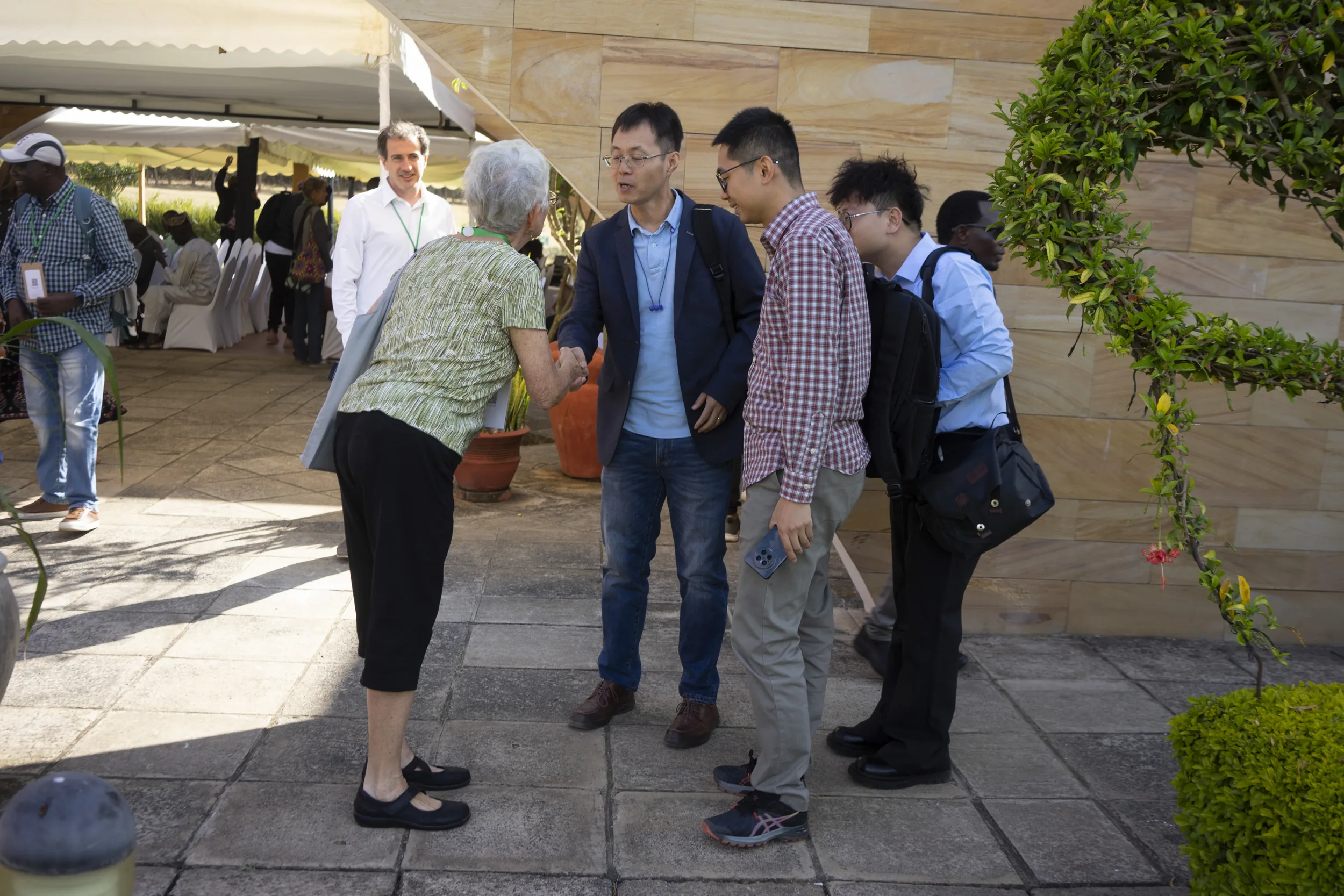
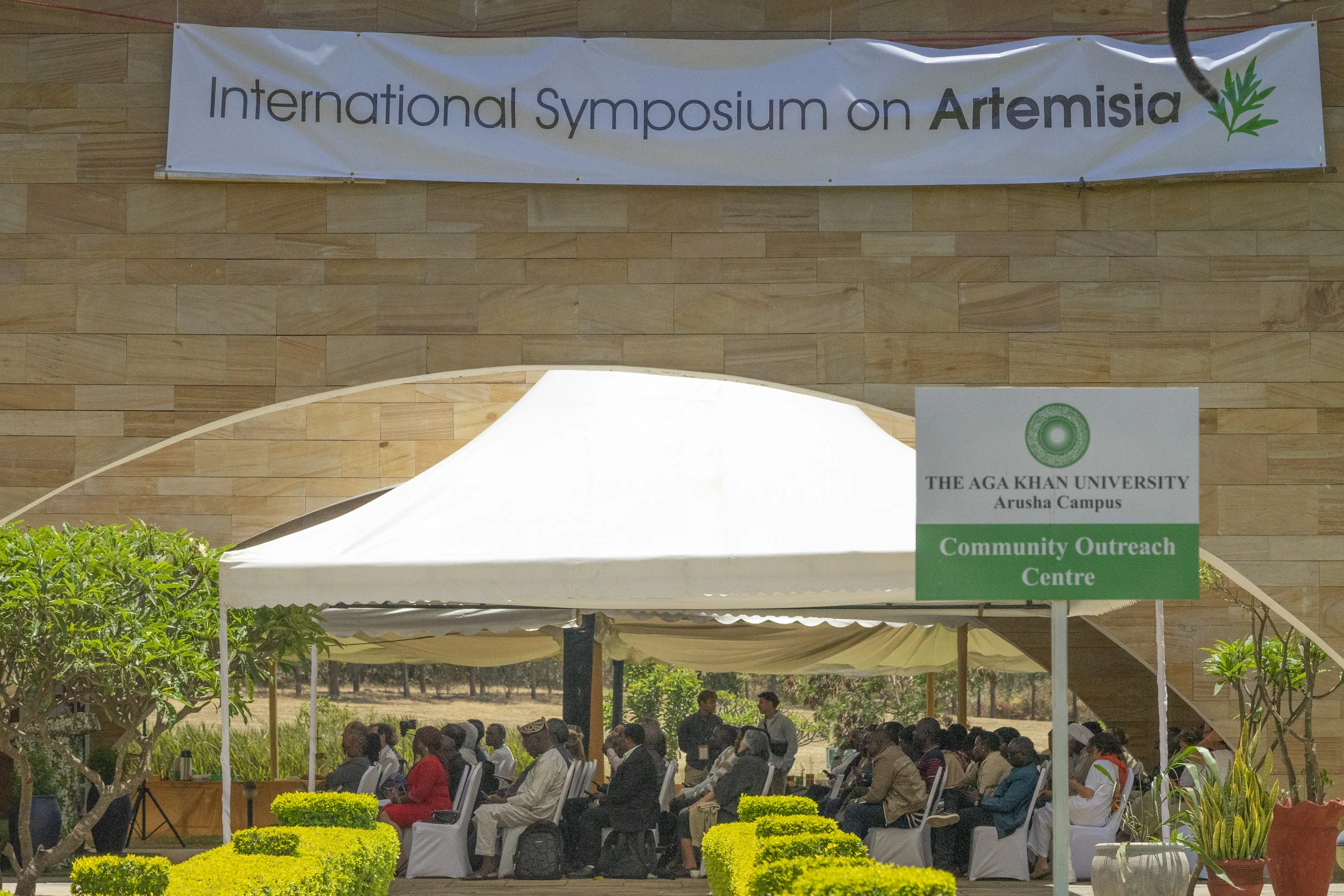
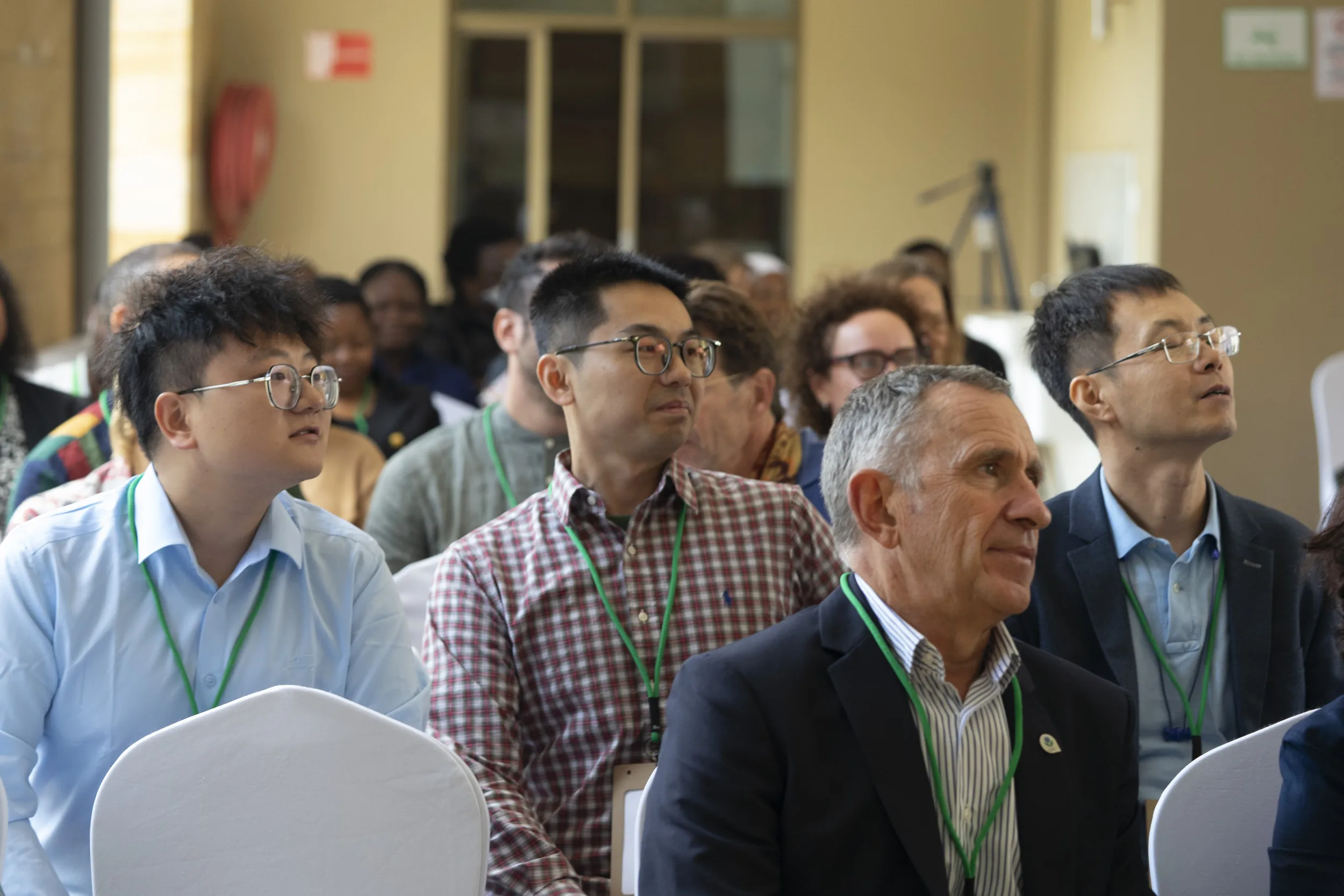
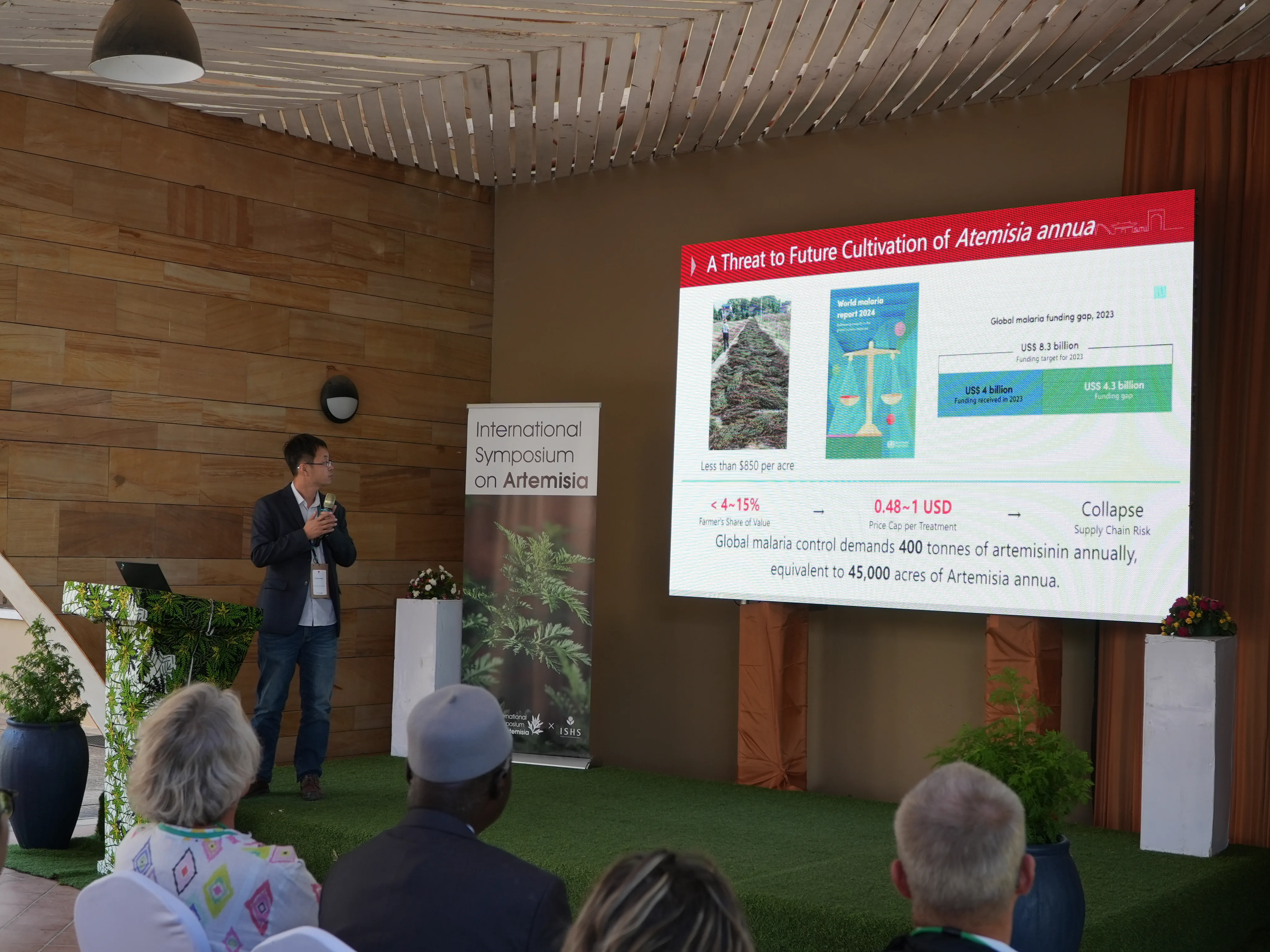
Scientific Sessions
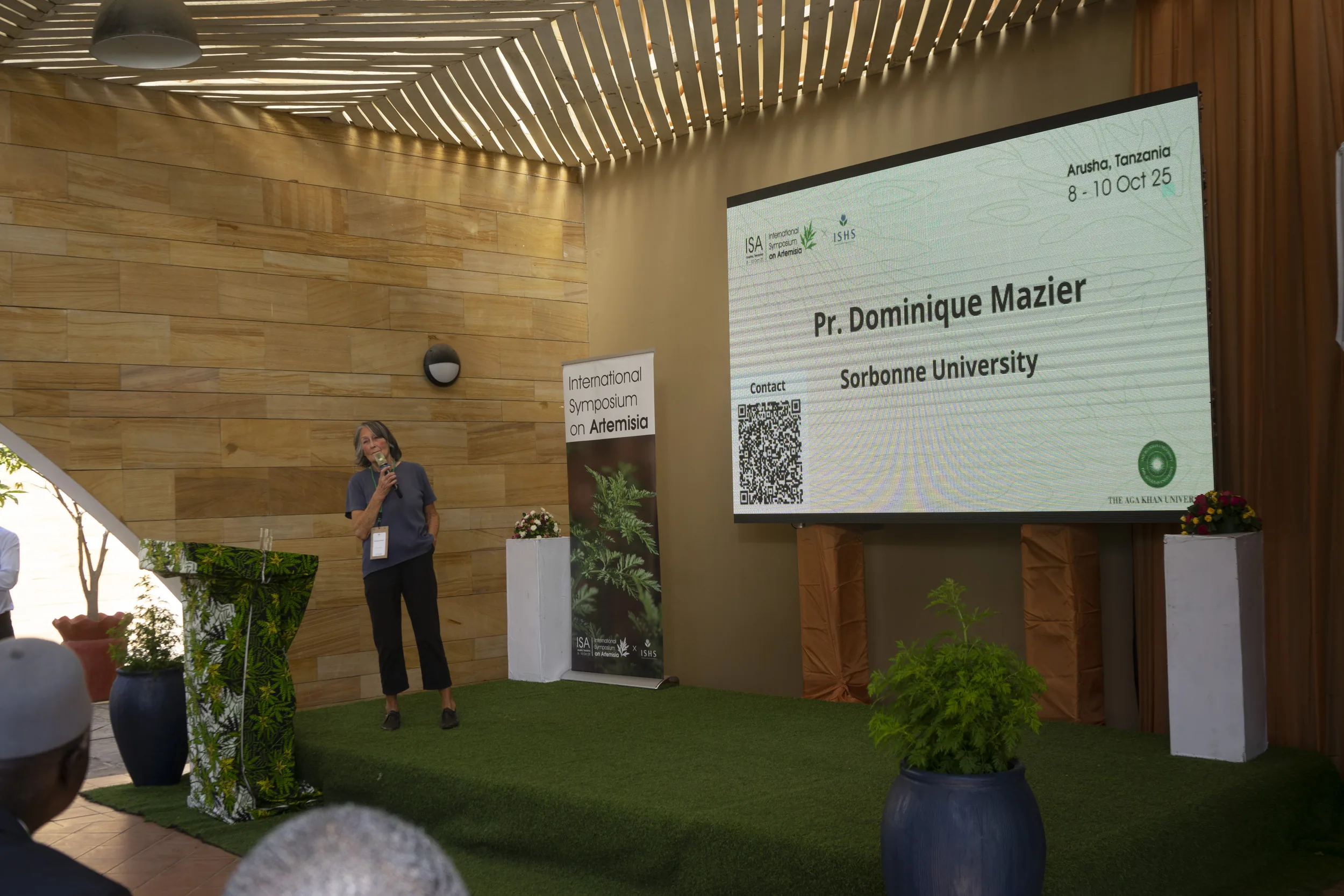
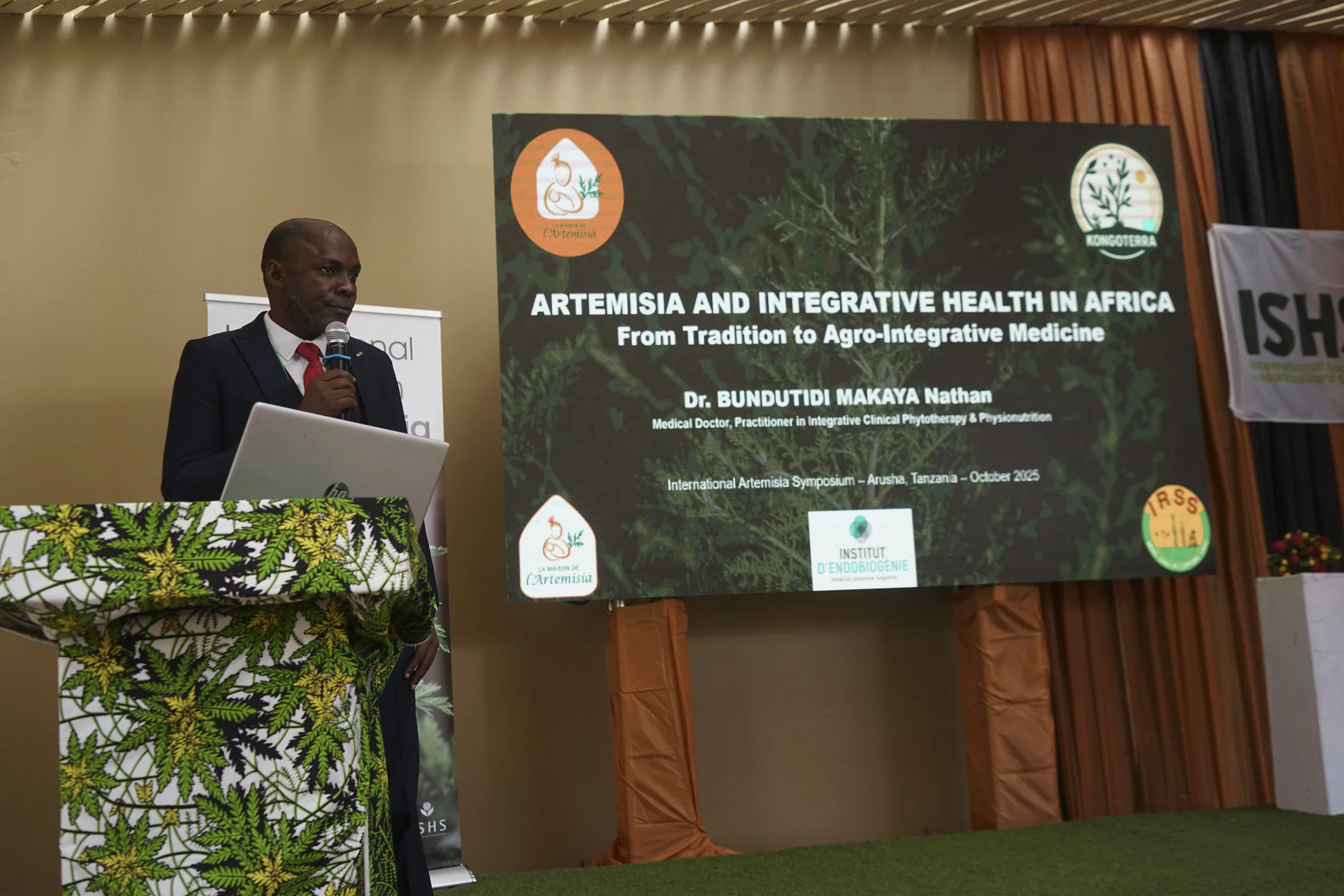
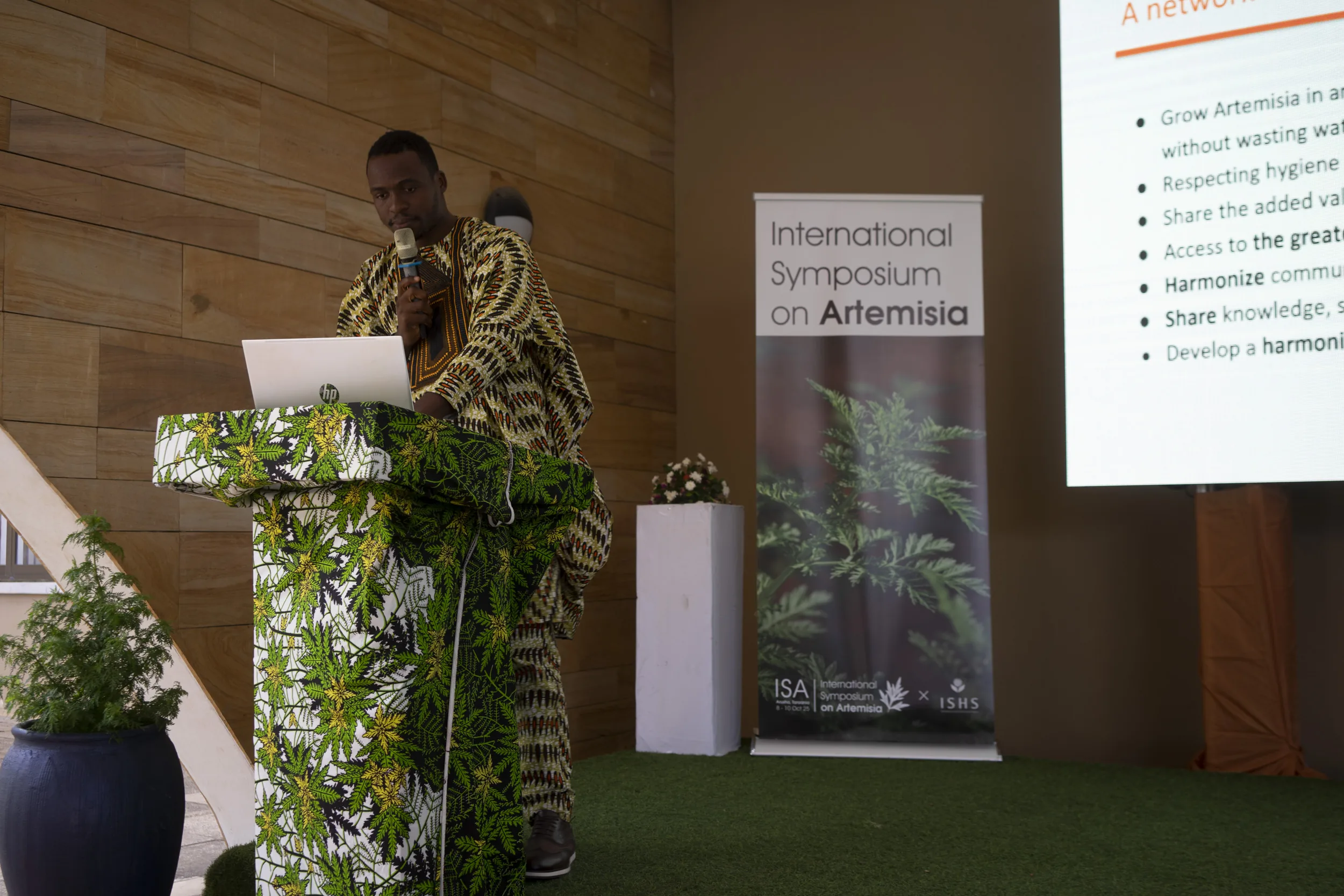
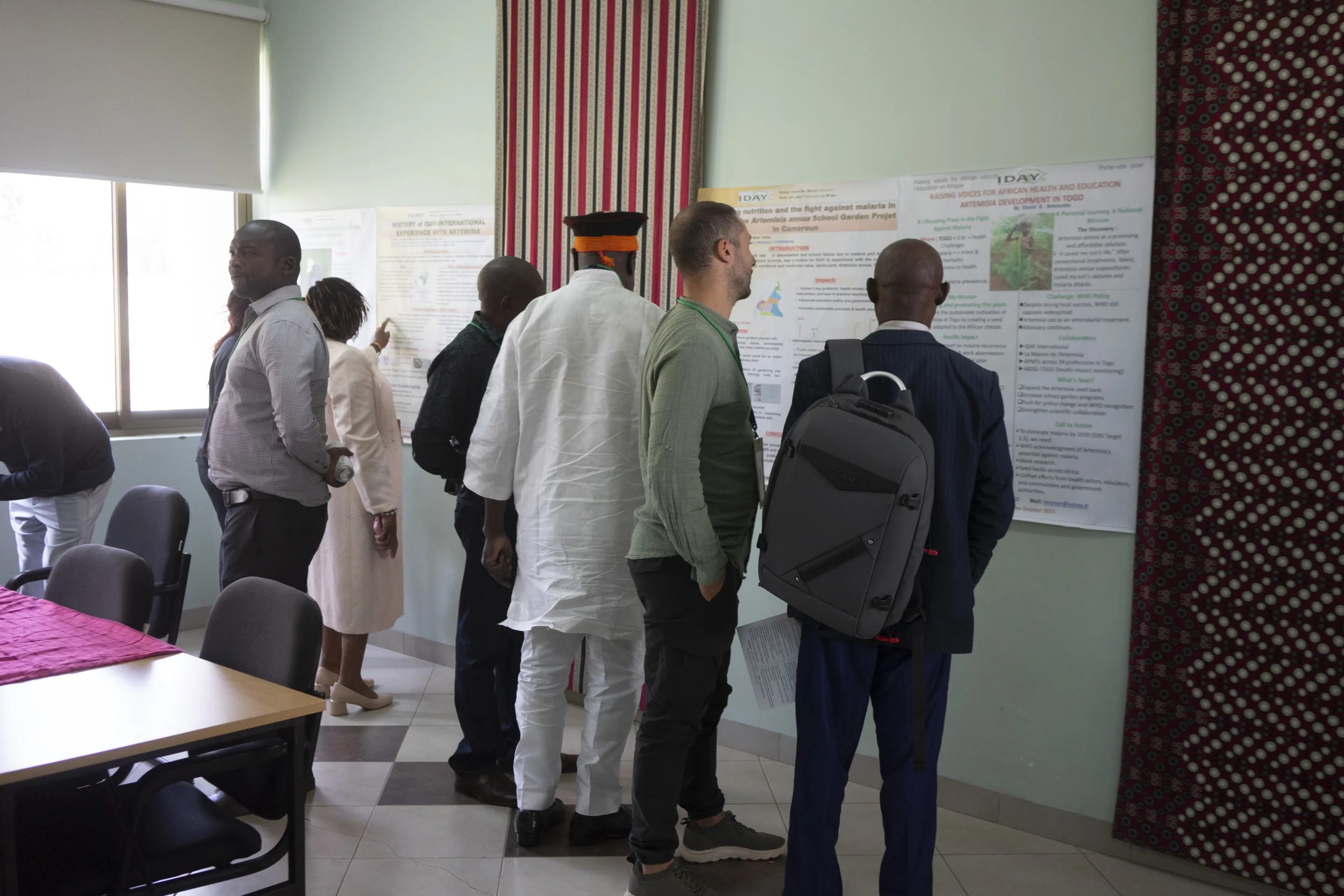
Posters & Field Insights
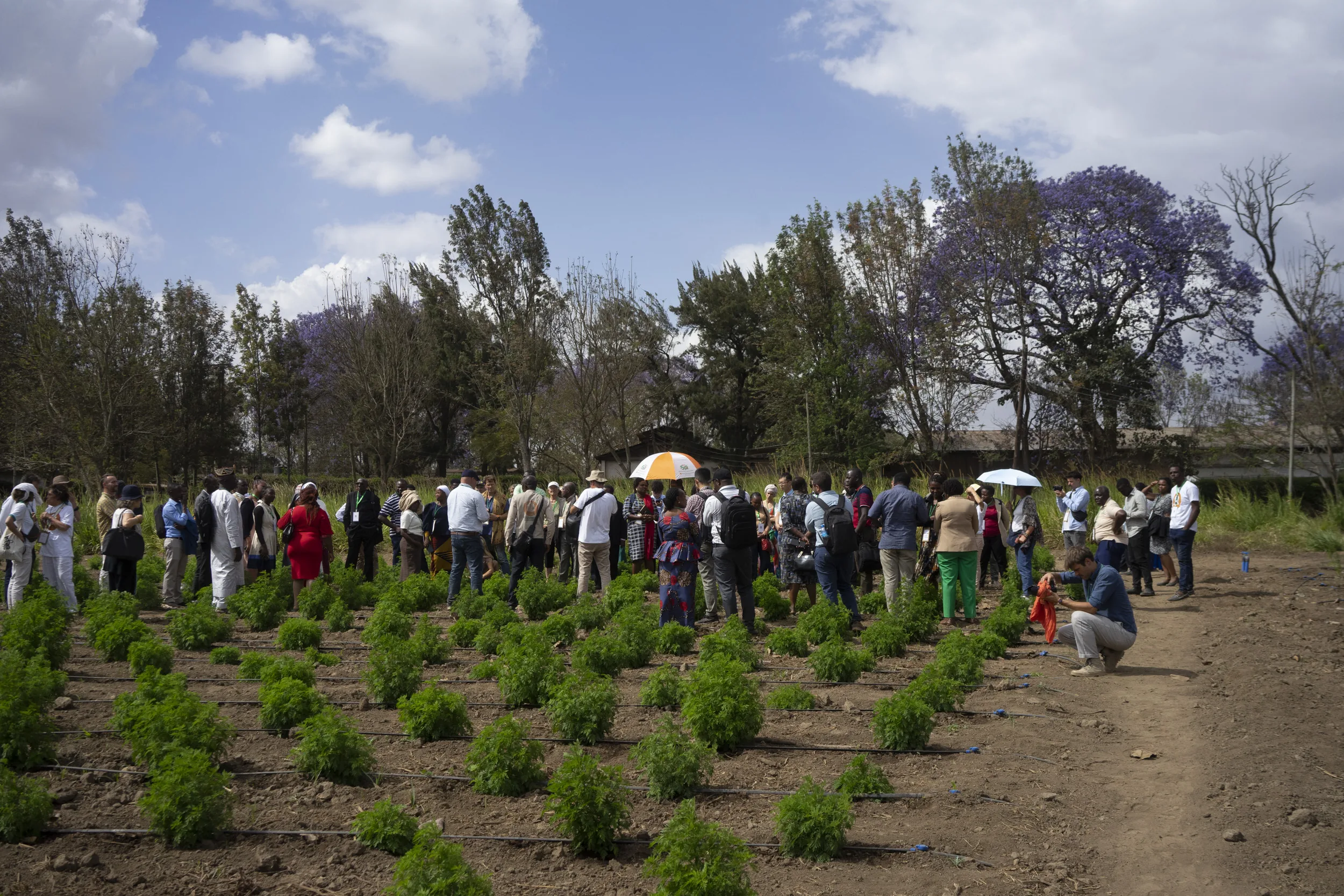
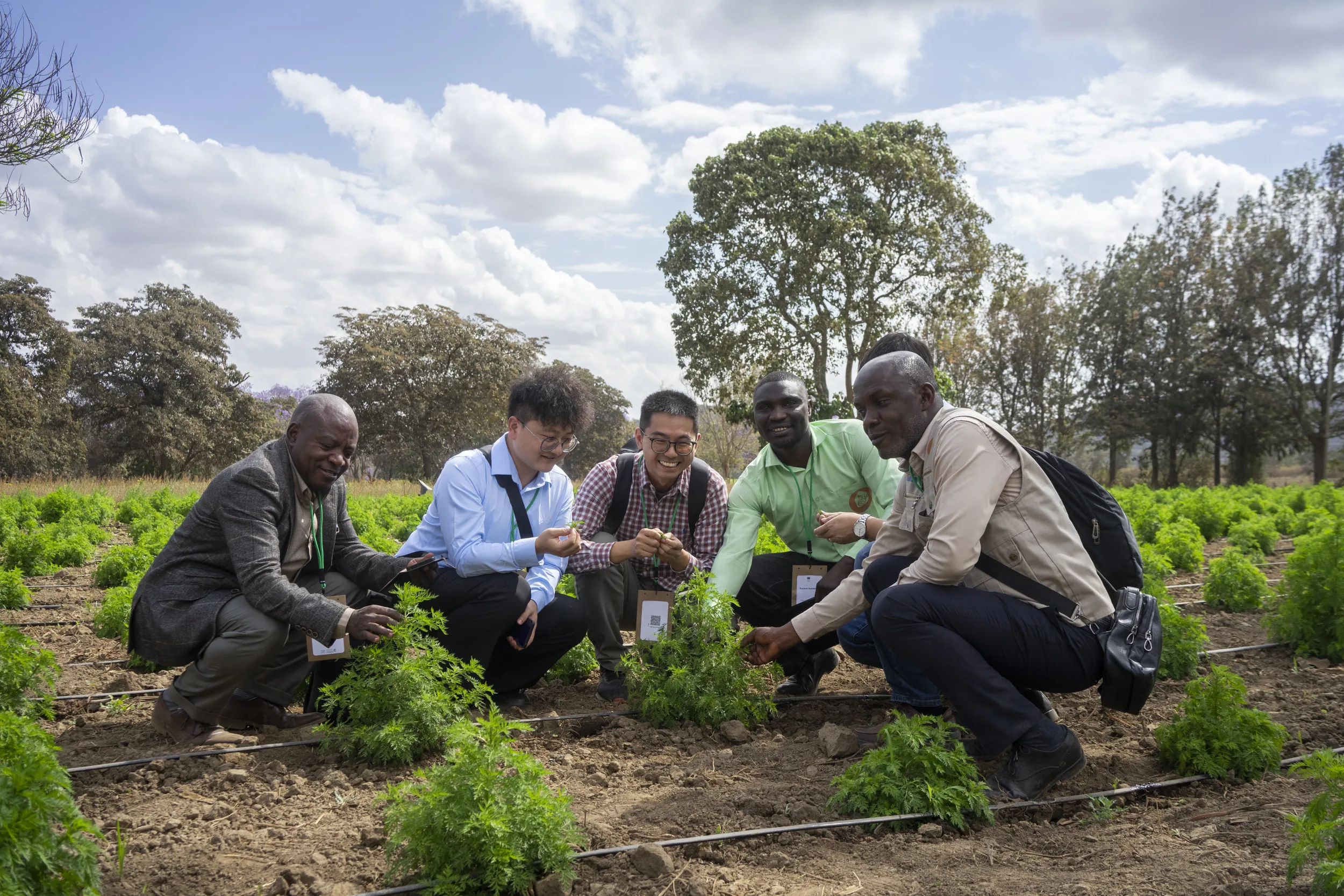
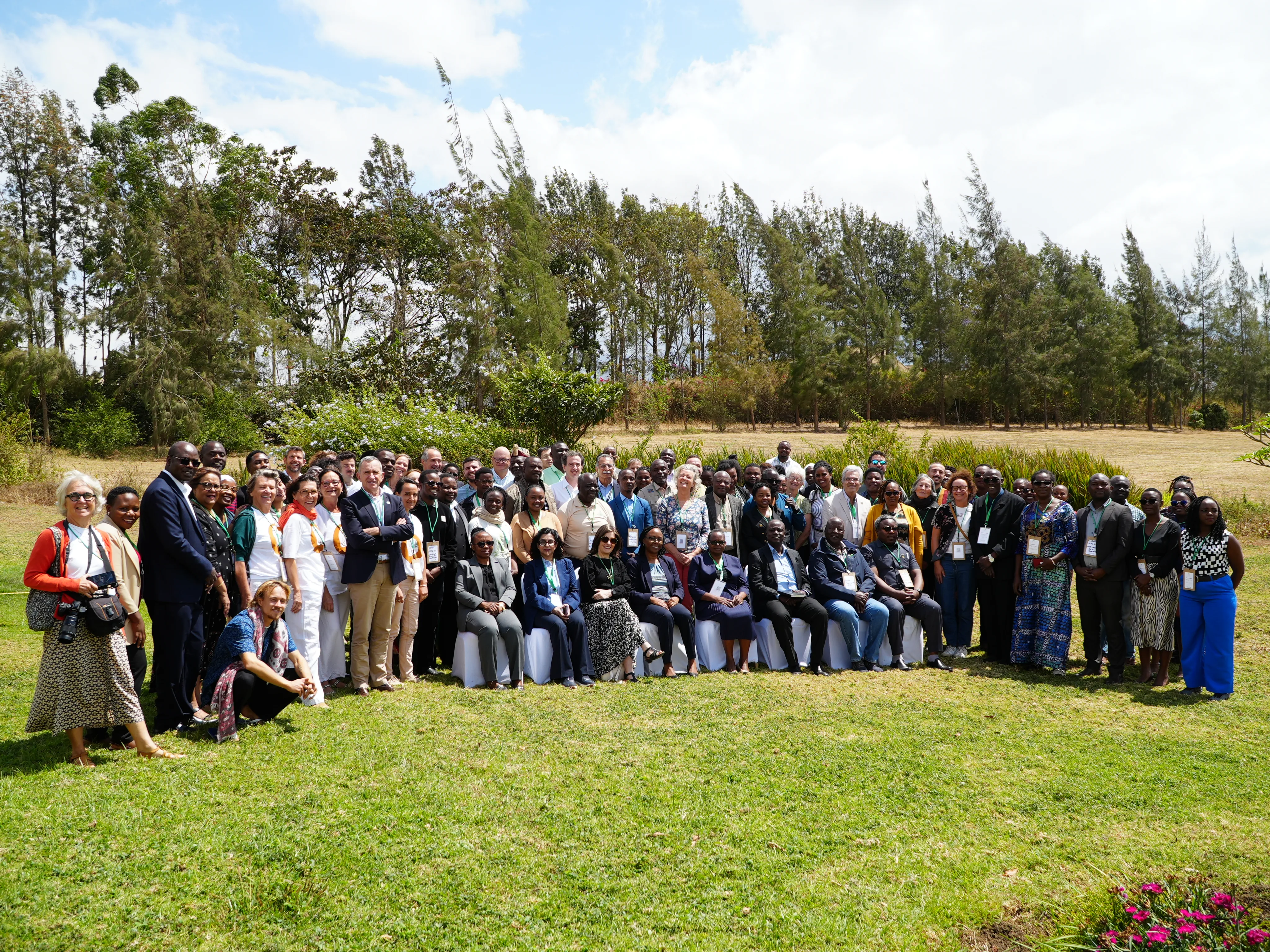
Networking & Experience
October 10-12, 2025 - Arusha, Tanzania
Explore the key research findings from 42 papers presented by 140+ experts from 29 countries. This comprehensive report showcases the scientific breakthroughs, research priorities, and global momentum behind Artemisia research.
The symposium brought together researchers across four scientific pillars, all critical to advancing Artemisia knowledge and application globally.
Antimalarial efficacy, drug resistance monitoring, pharmacology, clinical trials, and treatment applications in endemic regions.
Veterinary applications, livestock disease management, and integrated approaches to human-animal health challenges.
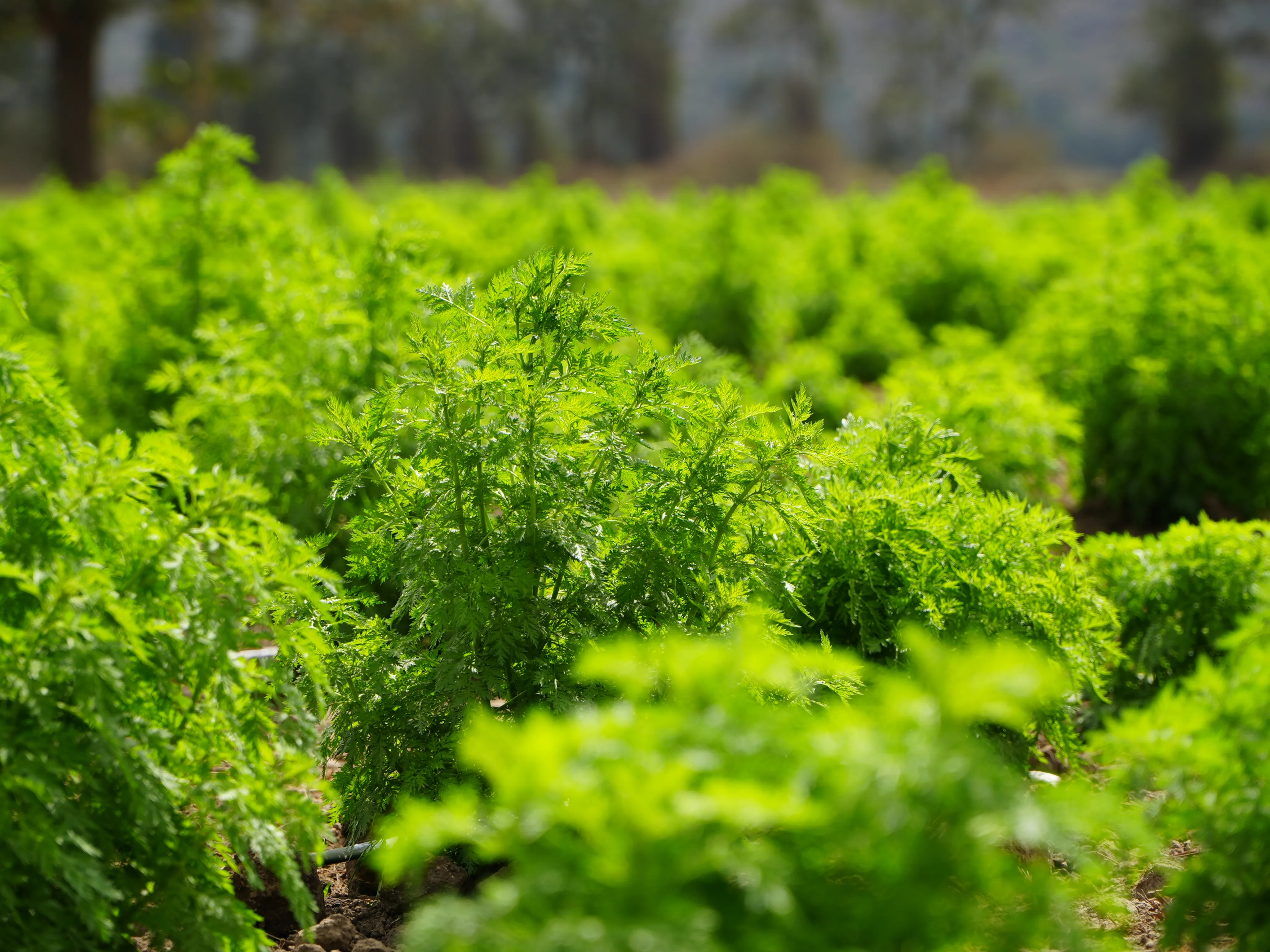
Cultivation methods, soil health, biodiversity impacts, climate adaptation, and sustainable farming systems.
Farmer engagement, supply chains, economics, community health systems, and scalable deployment strategies.
Research from field trials demonstrates that specific practices in volcanic soil regions can substantially increase artemisinin yields, making local production economically viable in malaria-endemic areas.
Multiple surveillance studies confirm resistance is limited to specific areas of Southeast Asia. Coordinated monitoring networks are strengthening early-detection capabilities across regions.
Integration of human health, animal health, and environmental management shows synergies, particularly in farm-based disease surveillance and integrated pest management.
Economic analyses show smallholder Artemisia farming can achieve income parity with traditional crops, opening pathways to decentralized supply chains without heavy subsidies.
Government agencies in multiple countries have committed to streamlined approval timelines, with several artemisinin-based products potentially reaching markets within 18-36 months.
Papers across the symposium emphasized the importance of standardized extraction, quality control, and characterization protocols to enable global comparison of results and reliable supply for medical applications.
While laboratory and field research is robust, several presentations highlighted the critical gap between scientific findings and community-level adoption - particularly in low-resource settings where implementation infrastructure is limited.
As climate volatility increases, researchers are identifying and developing Artemisia cultivars with enhanced drought and heat tolerance, ensuring long-term viability of production in target regions.
Participants consensus identified early-warning surveillance as essential. Investment in regional monitoring systems and rapid-response protocols could prevent global resistance spread.
All 42 presentations are being compiled into proceedings to be published in Acta Horticulturae, a peer-reviewed international journal. This ensures global visibility and establishes a credible scientific record of the symposium's contributions.
Beyond formal presentations, the symposium catalyzed several ongoing research networks: a Resistance Monitoring Consortium, an East Africa Cultivation Hub, and a One Health Research Initiative. These networks continue collaborating and will inform the next symposium in 2027.
Participants identified joint funding opportunities with major international health and agricultural funders. Several pre-proposal discussions are underway for research initiatives spanning 3-5 years with budgets of €5-15M+.
Connect with global researchers, attend webinars, and contribute to the next International Symposium on Artemisia in Tenerife, September 2027.